I'm doing my MSc in Computer Science at the University of Manitoba, where my research focuses on Human-Robot Interaction (HRI) in the HCI Lab under the supervision of Dr. Houda Elmimouni. Before this, I completed my undergraduate degree in Electronics and Communication Engineering at Khulna University of Engineering and Technology (KUET), Bangladesh.
My research spans both the technical and human aspects of Human-Robot Interaction (HRI), from developing robot control systems to understanding the social and psychological factors that shape robot-mediated interaction. My Master's thesis looks at teleoperation for telepresence robots, focusing on how to make them easier and more natural for first-time users to operate. I also explore how identity, comfort, and inclusion shape people's experience when interacting through a robot.
So far my work has centered on telepresence robots, but I'm interested in extending it to social robots more broadly, exploring how they can feel more engaging, approachable, and accessible to the people who use them.
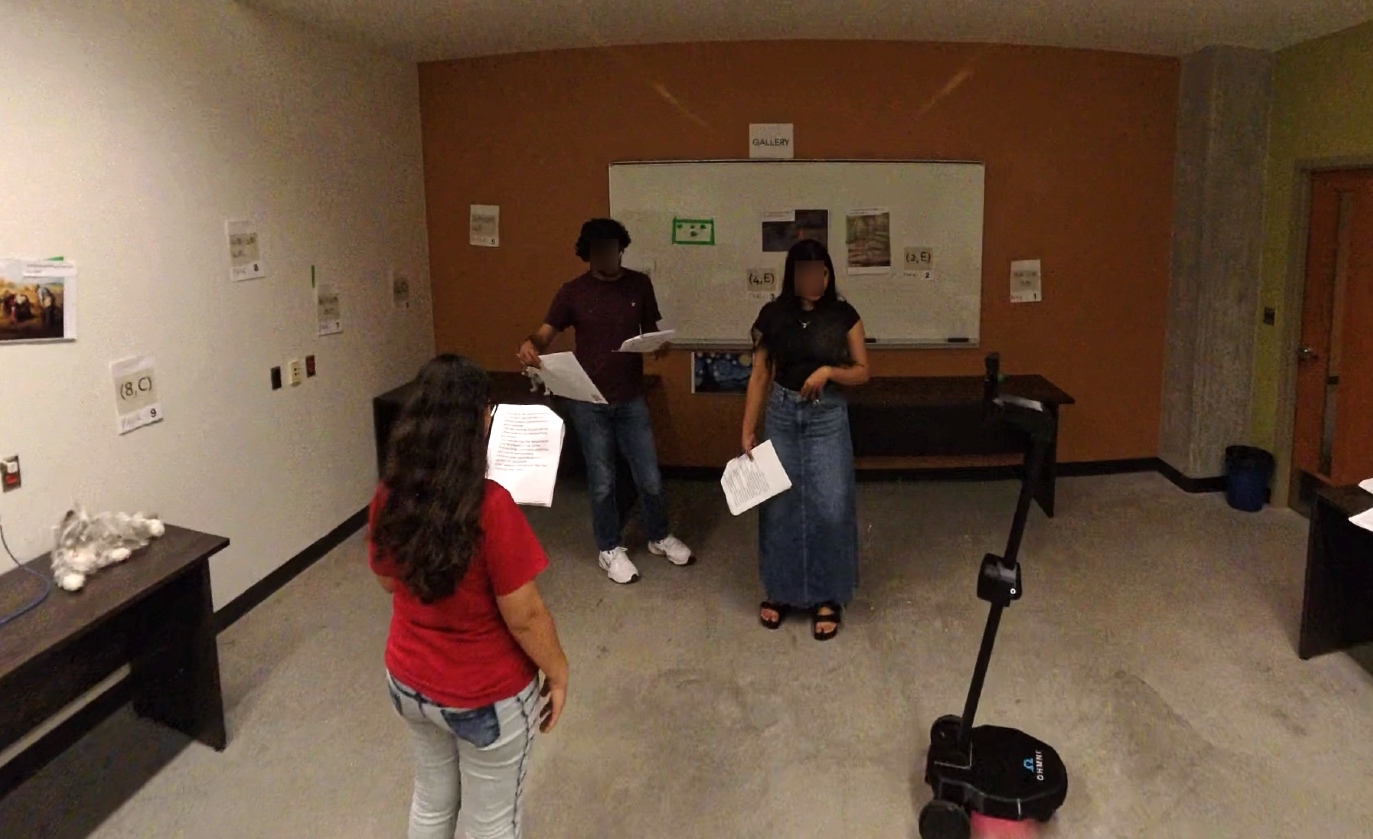
"I Had to Actively Inject Myself": When Small Breakdowns Accumulate [ CHI EA '26 ]
Path Planning of Mobile Robot Using Improved A* Algorithm in Static Environments [ ICCIT 2024 ]
Who Leads When the Robot is in the Room? A Study on Group Dynamics in Human-Robot Collaboration [ Under Review ]
Research Projects
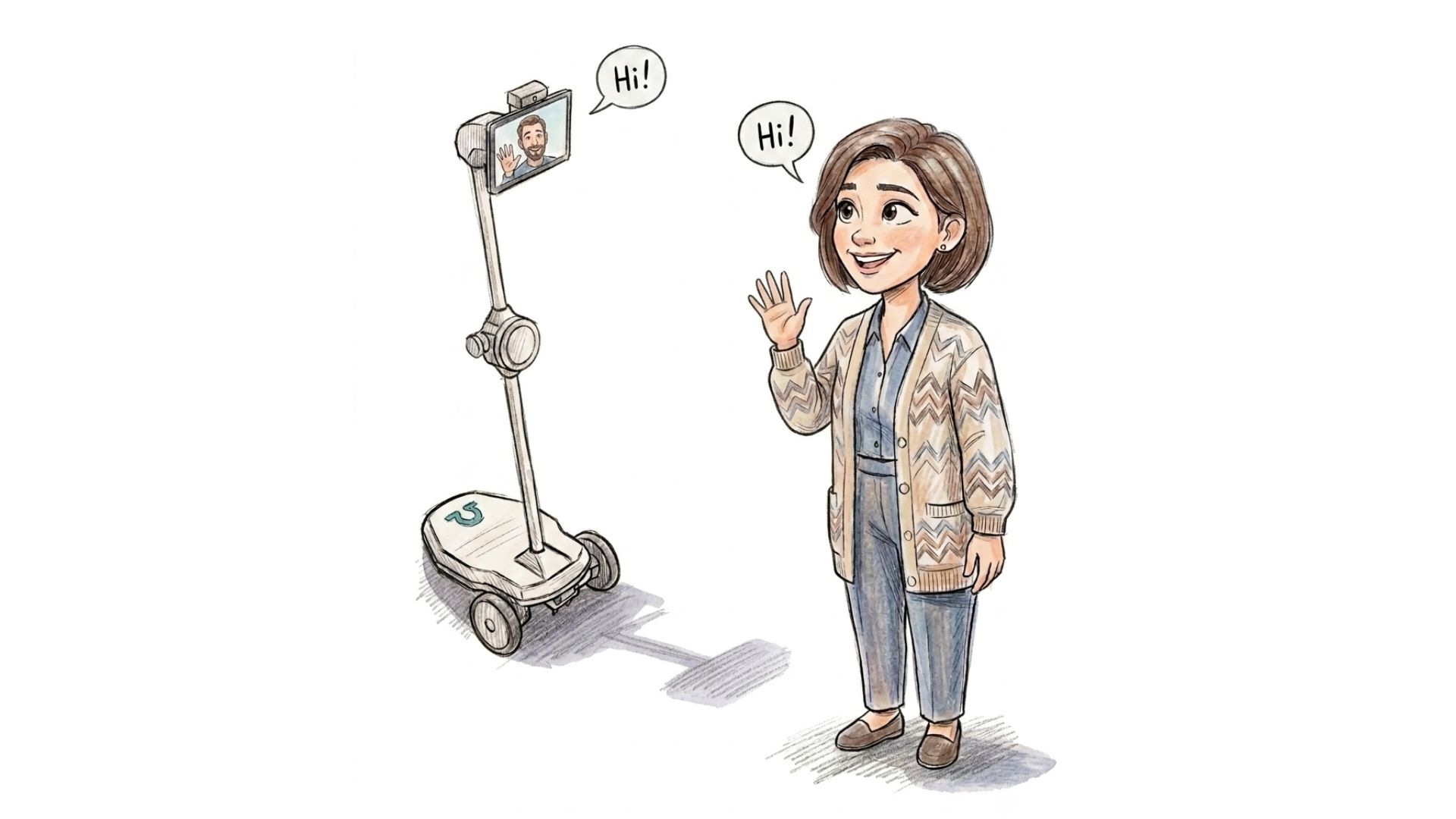
An exploratory study of how a remote person, joining an in-person group through a telepresence robot, is included in the collaboration. Comparing one-on-one and group settings, the study looks at how attention, leadership, and communication shift as team size grows, and how the remote member can gradually be left out of the interaction.
In collaboration with the University of Southampton, UK.
An ongoing study of how a remote operator's self-presentation through a telepresence robot affects their comfort, confidence, and social behavior when interacting with people in public spaces.
In collaboration with the University of Salerno, Italy.
Course & Personal Projects
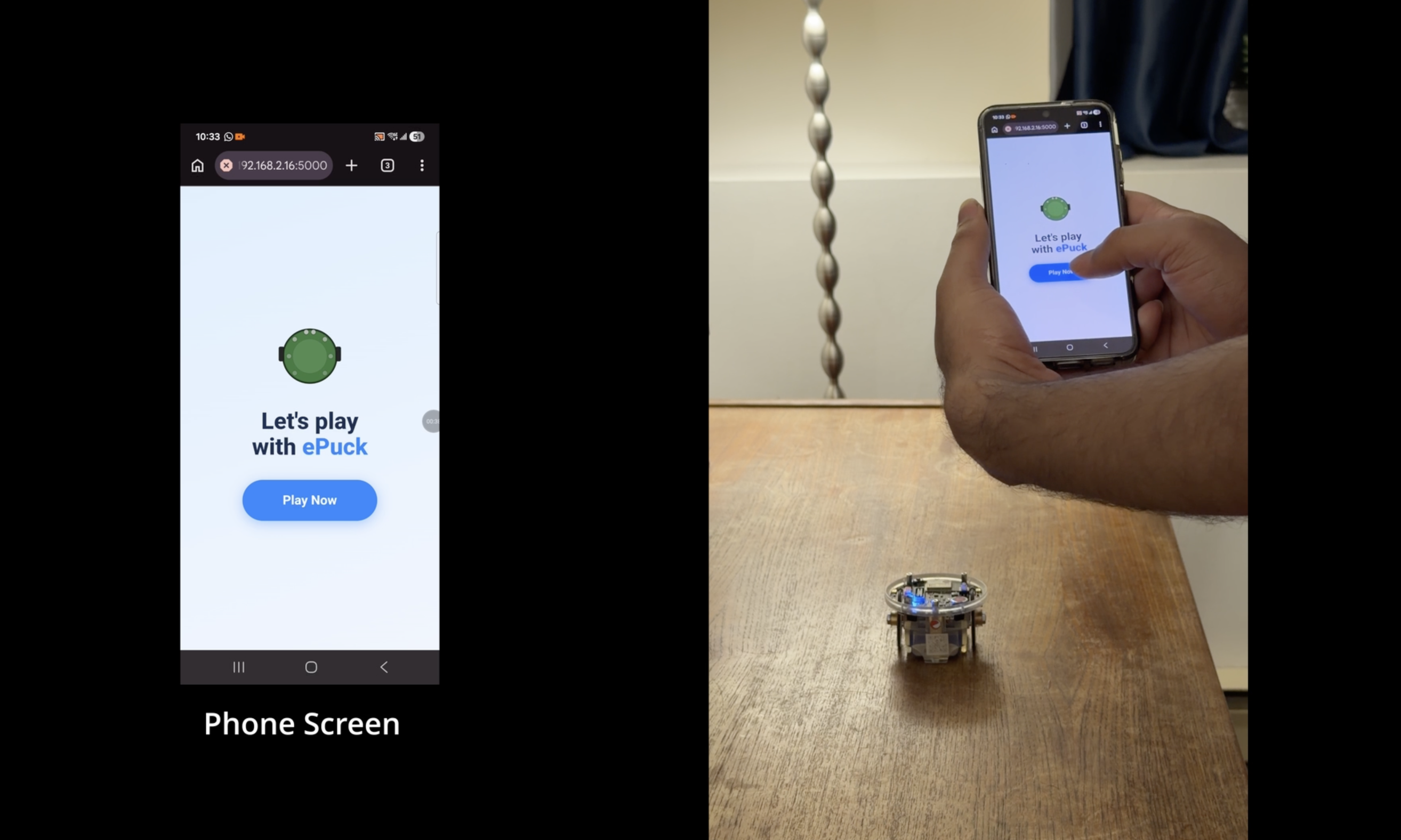
A browser-based control interface designed to make robot teleoperation more accessible for non-experts, using the e-puck as a test platform. Built on teleoperation principles from the literature, it integrates tilt-based control, a guided tutorial, a personalized neutral position, smooth speed control, and simplified obstacle feedback to reduce the learning curve and improve the first-time user experience.
Course: COMP 7570 - Robotics for Human-Robot Interaction.
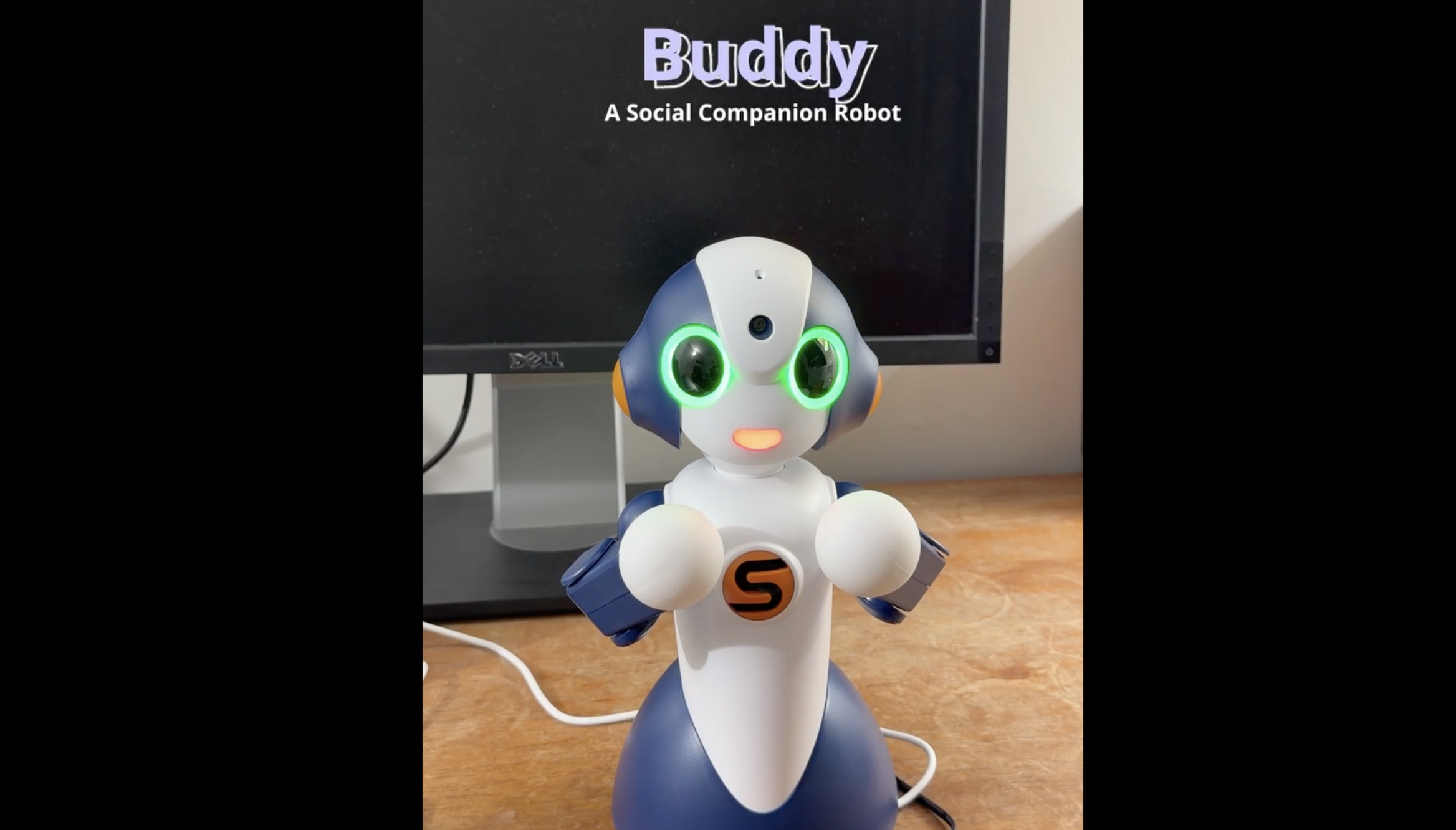
Buddy, a social companion robot running on Sota, chats, tells jokes, plays trivia, and responds to the user with speech, gestures, and LED emotional cues. It uses a behavior tree with motion detection and keyword spotting, and its personality gradually evolves over repeated sessions, appearing more familiar and attached to the user over time.
Course: COMP 7570 - Robotics for Human-Robot Interaction.
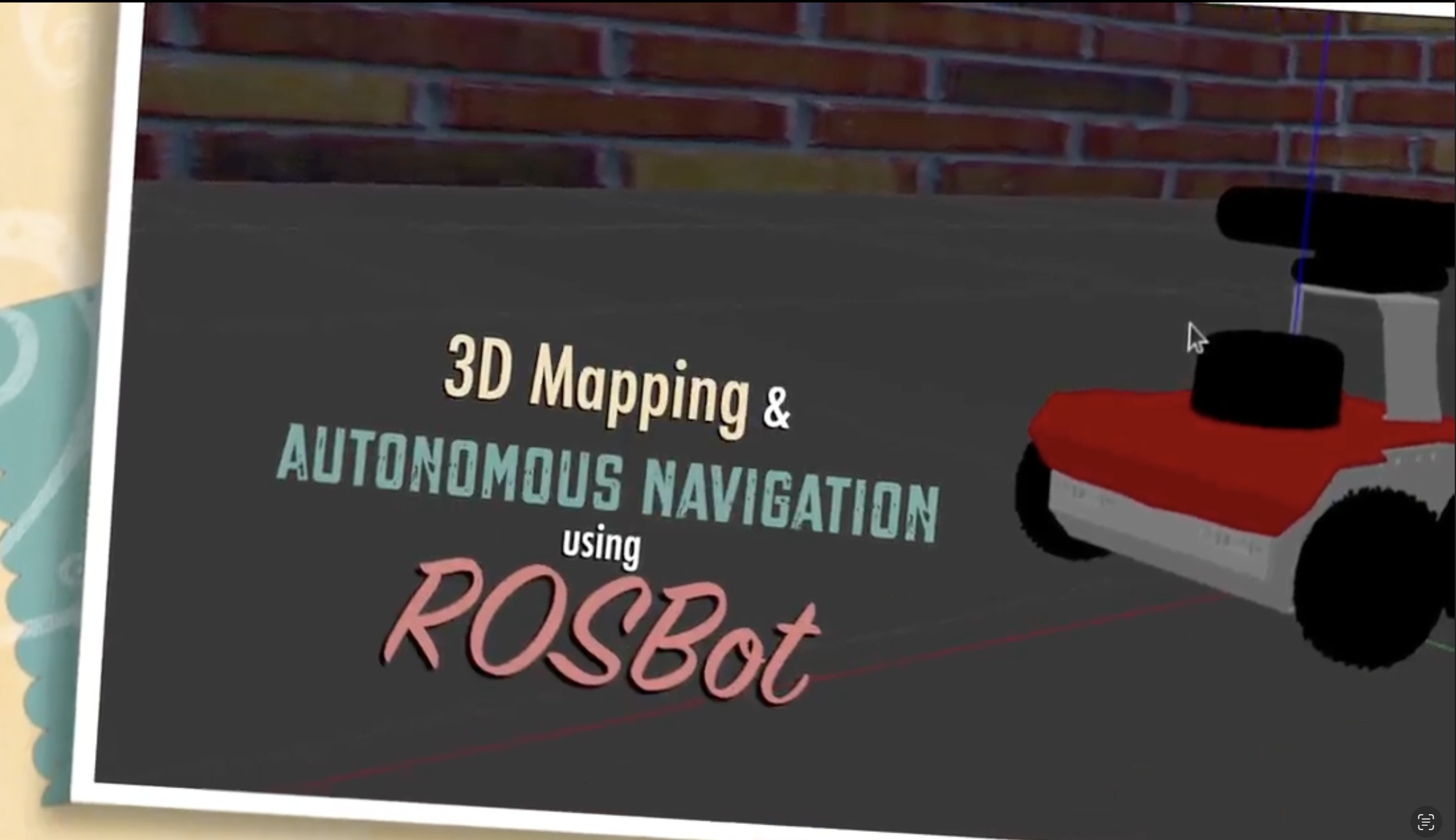
A ROS-based autonomous navigation project on the ROSBOT robot. Used RTAB-Map for 3D SLAM to build a map of the environment, Gazebo for simulation, and RViz for real-time visualization, with move_base (the ROS navigation stack) handling path planning and autonomous navigation.
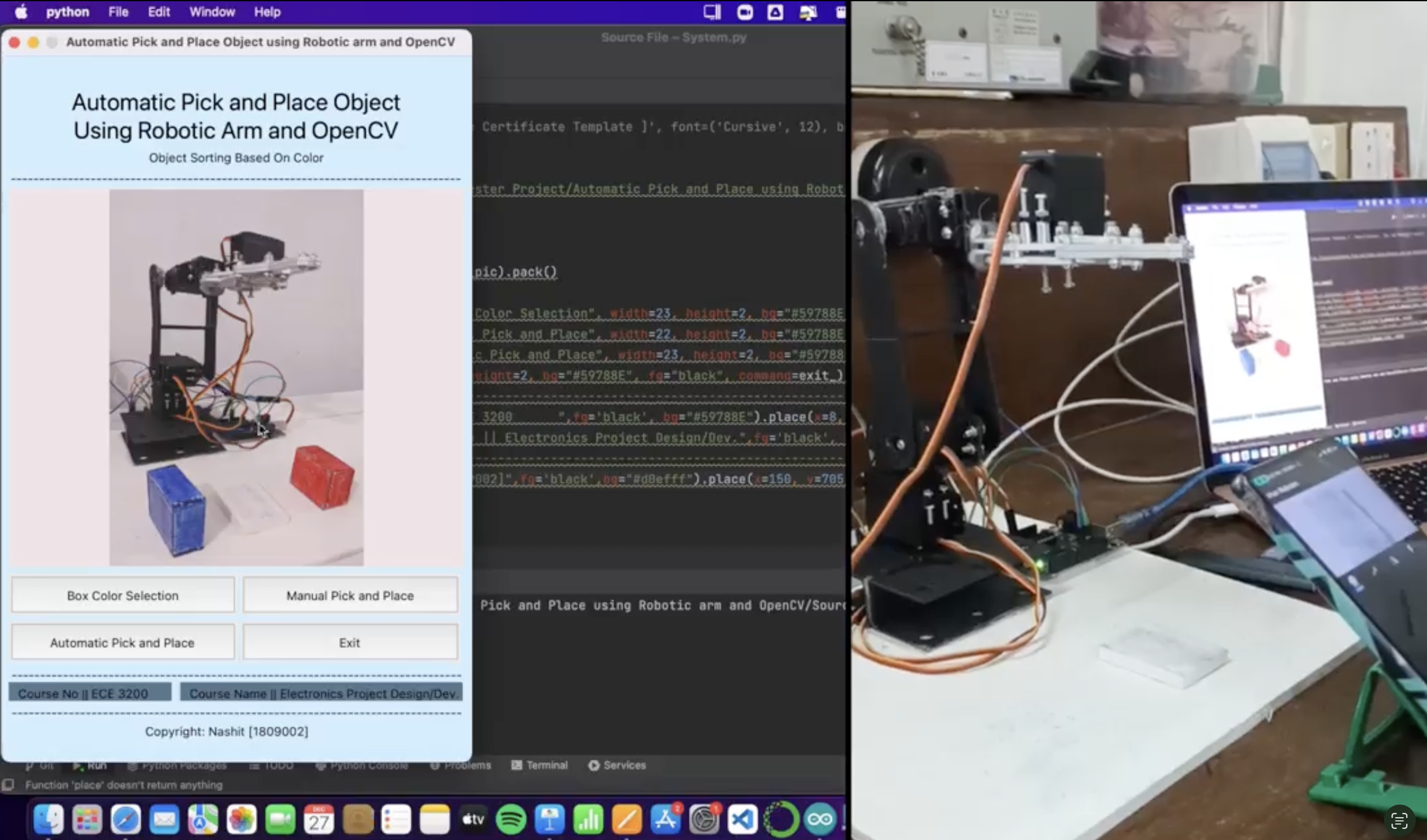
Developed a color-based sorting system using a robotic arm and computer vision. The arm can detect user-selected colored objects with OpenCV and automatically pick and place them at predefined locations (e.g., red objects to the left, blue to the right). It also supports manual control for direct positioning.
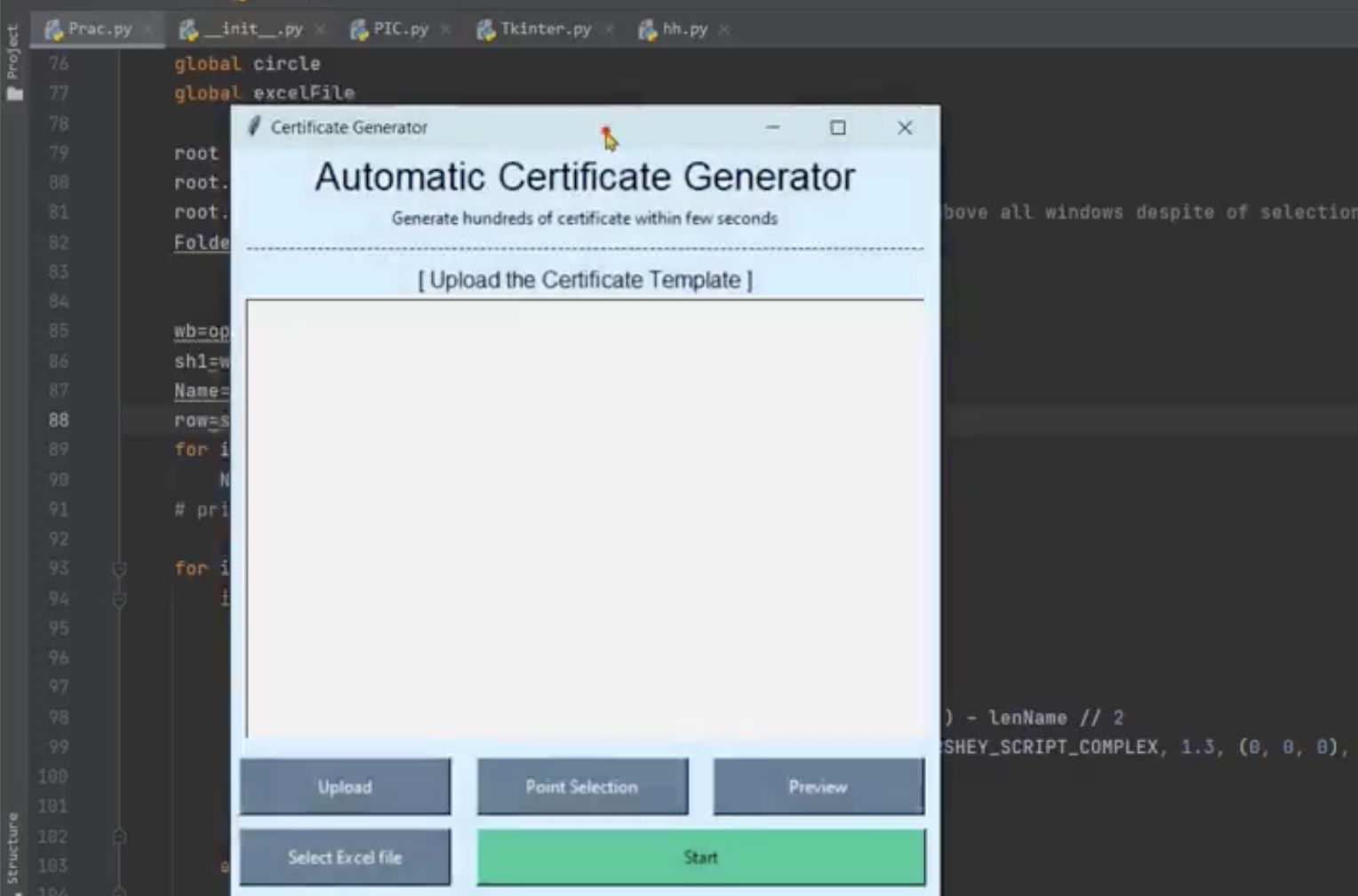
Developed a system that can generate thousands of certificates in seconds from a single template. The user can upload a template, mark where names should appear, load a list of names from an Excel file, and the system automatically produces all the certificates, saving hours of repetitive manual work.
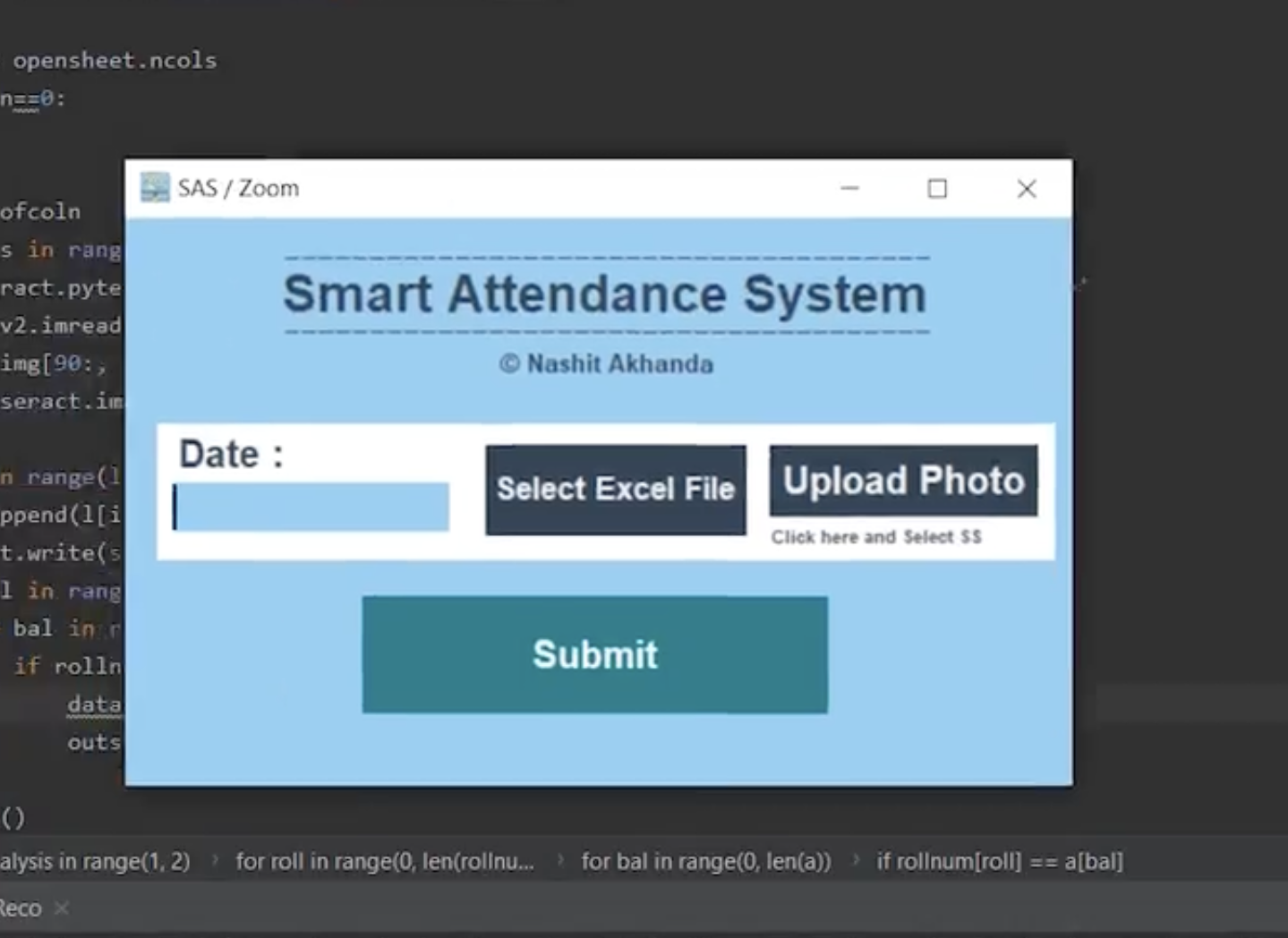
Developed during the COVID-19 pandemic, when most institutions in Bangladesh relied on Zoom for online classes and taking attendance became difficult. The system can read attendance directly from a Zoom screenshot. The user first takes a screenshot, then opens the system, enters the date, selects an Excel file containing the list of students with their names or IDs, and uploads the screenshot. The system then automatically counts the attendance and updates the sheet, removing the need to check participants manually.
I'm always open to conversations about research, collaboration, or PhD opportunities. Feel free to reach out.
nashitmm@myumanitoba.ca© 2026 Muntasir Mubin Nashit